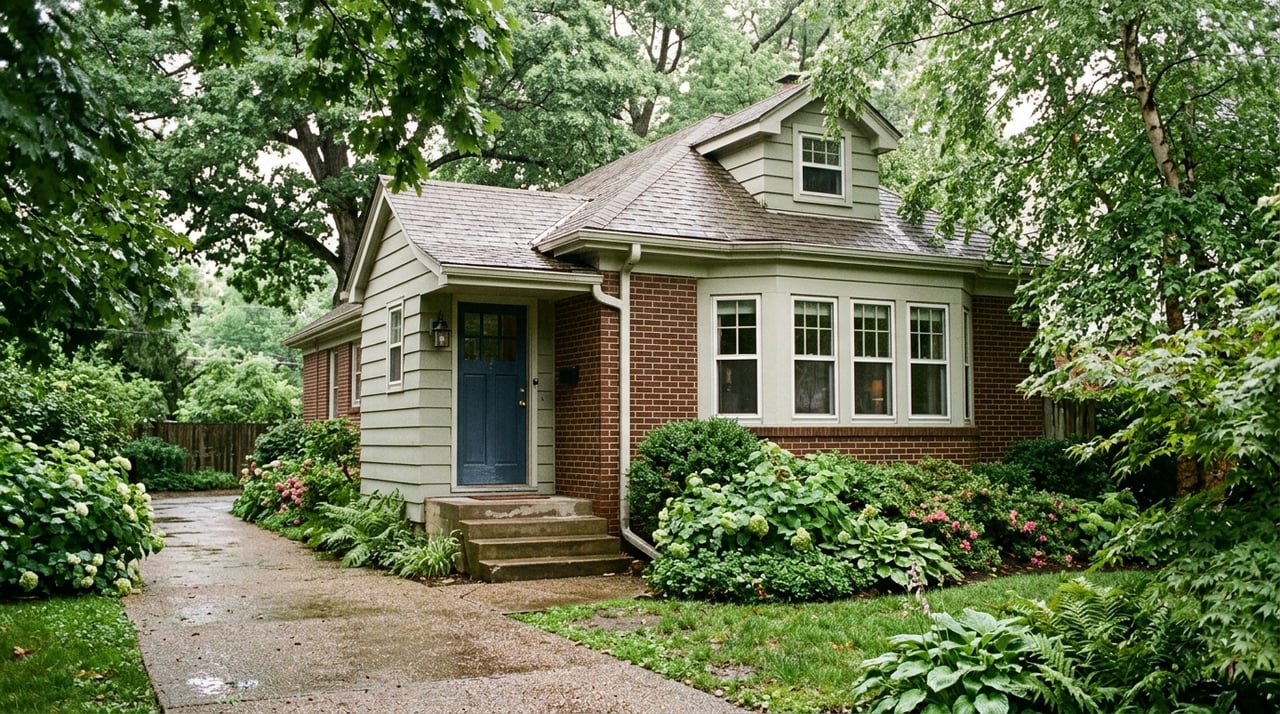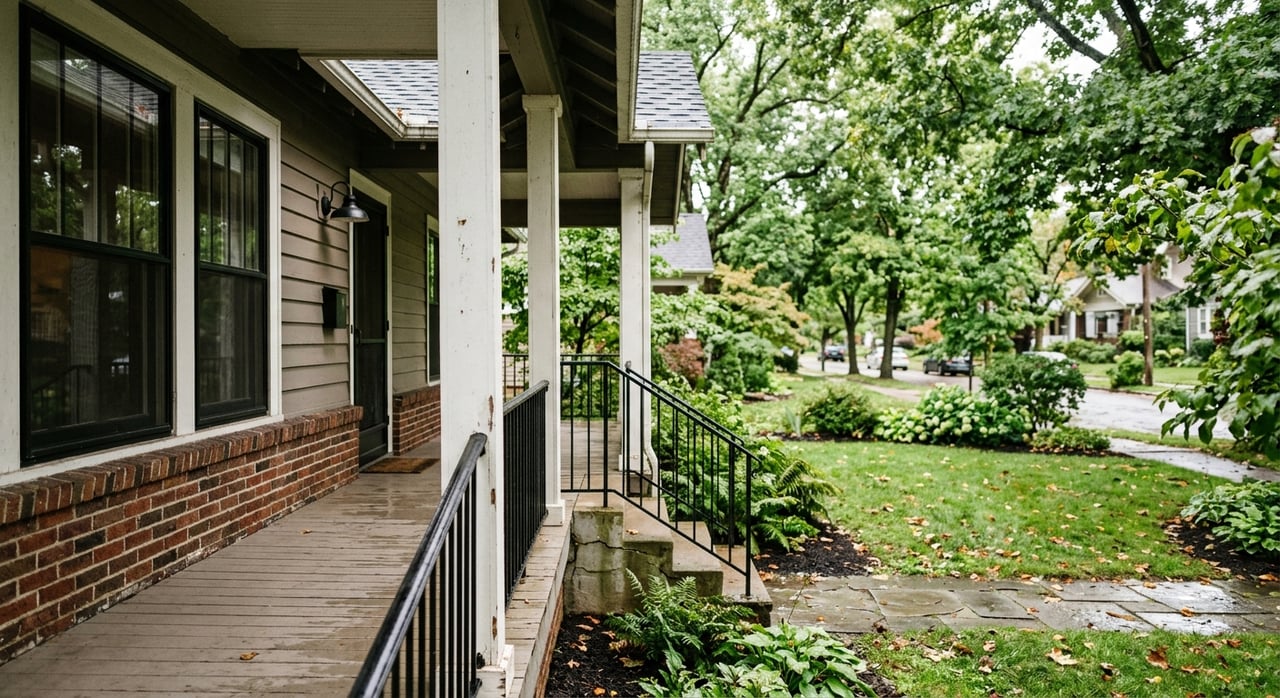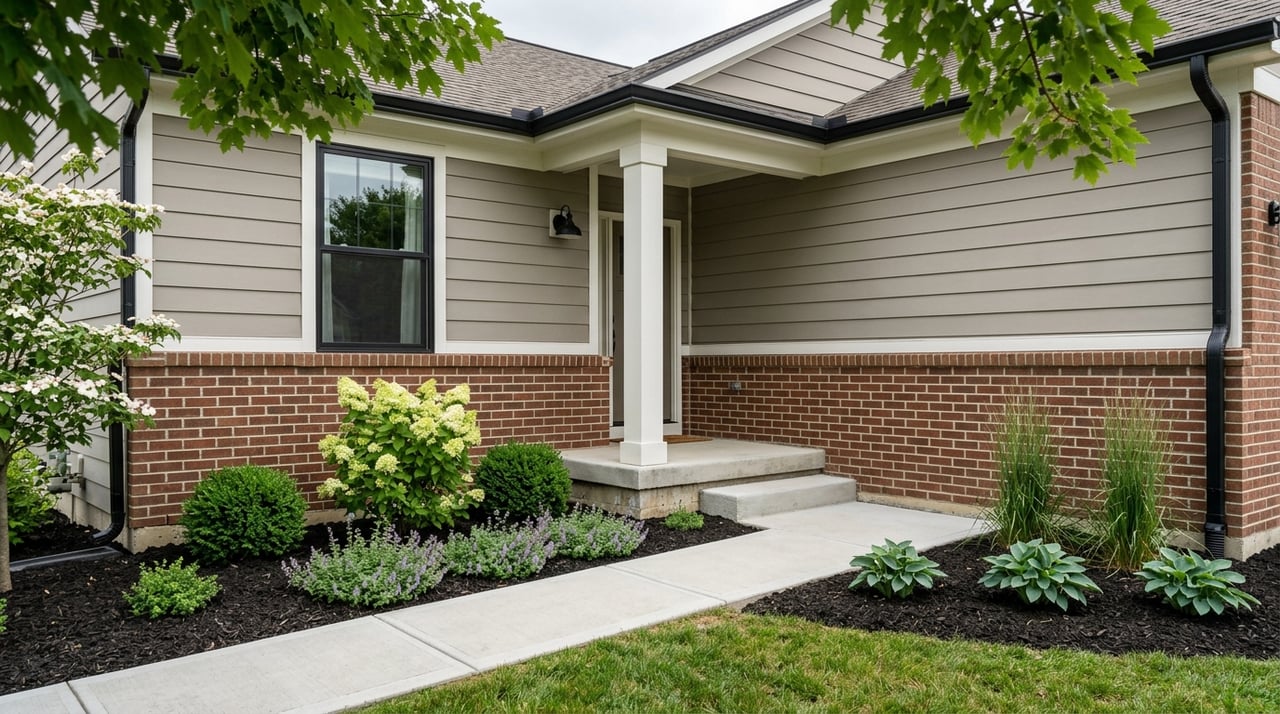
If you love Northville but feel like your current home no longer fits the way you live, you are not alone. A move-up purchase can be exciting, but it also comes with a real planning challenge: how do you buy your next home without creating unnecessary financial or timing stress? In a market where homes can still draw multiple offers, the best results usually come from a clear strategy around equity, timing, and offer strength. Let’s dive in.
Why move-up planning matters in Northville
Northville is a largely owner-occupied market, which helps explain why many buyers here are not first-time purchasers. Census data shows owner-occupied housing rates of 80.3% in Northville city and 78.3% in Northville Township. Median owner-occupied home values were reported at $465,400 in the city and $551,800 in the township.
Recent market activity also shows why planning matters before you start touring homes. Redfin’s spring 2026 data put Northville’s median sale price at $562,500, with homes averaging 7 offers and 38 days on market. That points to a higher-value market where good homes can still attract strong competition.
For move-up buyers, that means your next purchase is not just about finding a bigger or better home. It is also about knowing what your current home can help fund, how quickly you may need to act, and what kind of offer structure gives you a realistic chance of success.
Understand your equity first
Your home equity is the difference between your home’s value and what you still owe on your mortgage. For many move-up buyers, that equity is the starting point for the next down payment, closing costs, and moving expenses. If you have owned your home for several years, equity may be one of your biggest tools.
National data in the 2025 Profile of Home Buyers and Sellers shows repeat buyers had a median 23% down payment, and 30% paid cash. The same report found sellers had owned their home for a record-high median of 11 years before selling. While every household is different, those numbers show why accumulated equity often plays a central role in a move-up purchase.
Still, equity is only part of the picture. Lenders also look at your income stability, credit, debt load, savings, and your ability to cover not only the mortgage payment but also closing costs, moving expenses, furniture, repairs, and improvements. A move-up plan works best when you look at your full budget, not just your estimated sale proceeds.
Compare Northville with nearby options
A move-up purchase does not always mean stretching to the highest possible price. Sometimes it means getting a better layout, more outdoor space, or a different location that fits your daily life better. Looking at nearby communities can help you decide what kind of step makes sense.
Here is how several nearby markets compared in spring 2026 Redfin data:
| Area | Median Sale Price | Avg. Offers | Days on Market |
|---|---|---|---|
| Northville | $562,500 | 7 | 38 |
| Novi | $474,716 | 2 | 18 |
| Livonia | $332,301 | 3 | 11 |
| Canton | $414,860 | Noted multiple offers | 19 |
| Plymouth | $604,638 | Multiple offers | 10 |
These price points can help frame your next move. You may decide to stay in Northville and buy a similar-price home with features your current property lacks. You may also find that a nearby market offers a different balance of budget and competition.
Choose the right move-up path
There is no single right way to buy and sell at the same time. The best approach depends on your equity, comfort with risk, and how flexible your timeline can be.
Sell first, then buy
This is often the most straightforward path. Consumer guidance from the CFPB notes that if you want to move, you normally try to sell your current home first before buying another one.
The biggest benefit is clarity. Once your sale is complete, you know how much cash you have available, and you can make offers without depending on your old home to close first.
The tradeoff is temporary inconvenience. You may need short-term housing, storage, or a flexible moving plan while you shop for the next home.
Buy with a home-sale contingency
A home-sale contingency gives you time to sell your current home before closing on the new one. This can help if your down payment depends heavily on the proceeds from your present home.
The challenge is competitiveness. In a market like Northville, where homes averaged 7 offers, sellers may hesitate to accept a contingent offer if they expect a cleaner alternative.
Buy with a home-close contingency
A home-close contingency is slightly different. It gives you time not just to sell your current home, but to actually close that sale before you close on the new purchase.
That detail matters because a signed contract is not the same as cash in hand. If your plan depends on sale proceeds arriving before your purchase closes, this structure may better match your actual financial timeline.
Use a bridge loan or home equity product
Some buyers use a bridge loan, HELOC, or home equity loan to access funds before their current home sells. This can reduce the need for a sale contingency and may make your offer more attractive.
But this approach adds risk. CFPB guidance notes that HELOCs and home equity loans are secured by your home, so missed payments can put the property at risk. These tools can be useful in the right situation, but they should be treated as higher-risk options, not automatic solutions.
Build a stronger offer without losing protections
When competition is high, buyers often feel pressure to make an offer as clean and simple as possible. That can create a temptation to waive important protections. In most cases, a better strategy is to understand which contingencies matter most and how they affect the seller’s decision.
The CFPB recommends financing and inspection contingencies when making an offer. Real estate contract guidance also identifies appraisal, home-sale, and home-close contingencies as common tools in a purchase agreement.
Each one serves a purpose:
- Financing contingency: Protects you if your loan approval falls through.
- Inspection contingency: Gives you options if the home inspection reveals serious issues.
- Appraisal contingency: Helps if the property appraises below the contract price.
- Home-sale contingency: Ties the purchase to selling your current home.
- Home-close contingency: Ties the purchase to the successful closing of your current sale.
In a stronger market, sellers may still accept contingent offers, but they often want reassurance that your current home is market-ready, properly priced, and likely to move quickly. Offer strength is not only about price. It is also about preparation, timing, and how much uncertainty your offer creates.
Prepare for timing issues before they happen
Move-up purchases are often won or lost in the details between two transactions. Even when both deals are progressing, delays can happen with financing, inspections, appraisals, repairs, and closing schedules.
That is why it helps to think in terms of coordination, not just buying and selling. The smoother your listing plan, showing schedule, preapproval, and moving timeline are, the easier it is to respond when the right home becomes available.
In some transactions, sellers may use terms such as continue-to-show or kick-out clauses when a buyer has a contingency. These clauses can allow the seller to keep showing the property or preserve a backup offer. For you, that means speed and communication matter from day one.
Do not overlook Michigan tax details
If your current home is your principal residence, Michigan’s Principal Residence Exemption, or PRE, may be part of your move-up planning. According to the Michigan Department of Treasury, the PRE exempts a principal residence from local school operating millage, up to 18 mills, and it is separate from the Homestead Property Tax Credit.
Owners normally file Form 2368 with the city or township assessor to claim the exemption. When the property is no longer your principal residence, Form 2602 must be filed to rescind it. In certain cases, a conditional rescission can allow dual PRE treatment for up to three years.
If you sell one Michigan home and buy another in the same year, Treasury also notes that property taxes for homestead credit purposes are prorated based on the days each home was owned and occupied as a principal residence. Since move-up purchases can involve overlapping occupancy dates, it is smart to stay organized with closing paperwork and PRE-related forms.
A practical way to think about your next step
A move-up purchase in Northville is really a three-part decision. First, you need a realistic understanding of your current home value and available equity. Second, you need a timing plan for how your sale and purchase will work together. Third, you need an offer strategy that fits the level of competition in the area you want to target.
That may mean selling first for more certainty. It may mean making a contingent offer with a clear plan behind it. Or it may mean deciding that the best move-up is not the biggest jump in price, but the home and location that best support your next chapter.
If you are starting to weigh your options, a local strategy conversation can make the process feel much more manageable. For a personalized plan, home valuation support, and practical guidance on your next move, reach out to Sarah Stoner.
FAQs
What makes a move-up purchase in Northville challenging?
- Northville remains a higher-value, competitive market, with a spring 2026 median sale price of $562,500, an average of 7 offers, and 38 days on market.
How does home equity help with a Northville move-up purchase?
- Equity can help fund your down payment, closing costs, and moving expenses, but lenders also consider income, credit, debt, savings, and your ability to cover ongoing ownership costs.
Should you sell your current home before buying in Northville?
- Selling first is often the most straightforward option because it gives you clarity on proceeds and lets you shop without relying on your current home to close later.
What is the difference between a home-sale contingency and a home-close contingency?
- A home-sale contingency gives you time to sell your current home, while a home-close contingency gives you time to complete that sale and close before closing on your new purchase.
Are bridge loans or HELOCs a good option for a move-up purchase in Michigan?
- They can help reduce the need for a sale contingency, but they create another obligation secured by your home, so they are generally best viewed as higher-risk tools.
What Michigan tax issue should move-up buyers watch closely?
- Michigan’s Principal Residence Exemption rules can affect your paperwork and tax treatment when you sell one principal residence and buy another, especially if ownership or occupancy dates overlap.