Getting ready to sell in Southgate and wondering what your home is really worth? You are not alone. Pricing can feel confusing when one ranch sells quickly and a similar home sits. You want a number you can trust, especially if you plan to list this spring. In this guide, you will see exactly how we pull accurate comps in Southgate, what goes into a comparative market analysis, and how we turn that into a smart list price strategy.
Let’s dive in.
What a CMA does for you
A comparative market analysis estimates a realistic value range for your home based on similar recent sales, pending contracts, and current competition. It sets expectations for price, time on market, and likely negotiation outcomes. A strong CMA gives you confident talking points when offers arrive.
We build your CMA from primary sources. The local MLS covering the Detroit–Dearborn–Livonia area provides the most reliable data on sold, pending, and active listings, including photos, agent notes, and days on market. We verify lot dimensions, year built, and recorded sales through Wayne County property records. If you have renovations or additions, we review City of Southgate building and permit records to confirm permitted work and added living area. We may also reference broader market trends from reputable public data, but MLS and county records lead the way.
The Southgate CMA workflow
Here is how we approach each Southgate property, step by step:
- Define your home in detail: finished living area, beds, baths, basement type, lot size, garage, updates, and overall condition.
- Identify your micro-neighborhood: a 1 to 3 block area or subdivision with similar street character. Small shifts across a major street can change demand.
- Pull recent solds from the last 3 to 6 months, or up to 12 months if activity is slower. Location and condition come first.
- Add pending sales as forward-looking indicators. We weigh them lower than closed sales but pay close attention in a shifting market.
- Review active and contingent listings to understand your current competition and pricing strategies.
- Filter by property style and type. We avoid mixing unlike homes, such as ranches and bungalows, unless adjustments are well supported.
- Keep size within about 10 to 20 percent of your home’s finished living area and find similar lot dimensions.
- Screen for condition, updates, permits, and any issues noted in agent remarks.
- Apply adjustments for key differences like square footage, bed and bath count, basement finish, garage, lot, and condition.
- Weight the strongest comps and recommend a price range, then shape a list strategy based on current competition and seasonality.
Micro-neighborhood matters in Southgate
In Southgate, street-by-street details make a difference. Interior blocks often command stronger interest than homes that face busy corridors or sit near commercial areas. Proximity to major connectors can help some buyers with commuting, while others prioritize quieter interior streets. We compare like with like and adjust if a comp has a location advantage or disadvantage.
Border dynamics also matter. Parts of Southgate sit near amenities in neighboring cities like Wyandotte, Allen Park, and Dearborn. We consider access to shopping, employment centers, and highways when selecting comparables.
School attendance zones and proximity to parks can influence buyer behavior. We review local maps to understand potential demand patterns without making value judgments. The goal is to see how a typical buyer compares options within the same practical search area.
If inventory is thin, we expand distance or look-back windows carefully and document why a farther or older sale still makes sense for your home.
Getting the adjustments right
The goal of adjustments is simple: put your home and each comparable on a level playing field. We start with paired-sales whenever possible, which means finding two very similar sales where one key feature, like a finished basement, is the main difference. That helps reveal how much the market values that feature in your micro-neighborhood.
Size and layout
Finished living area drives value in most single-family homes. We reconcile MLS and assessor measurements and use local price-per-square-foot context to guide size adjustments. We keep adjustments conservative and avoid over-relying on a single number if styles differ.
Beds, baths, and functionality
Differences in bed and bath count matter. A true bedroom includes proper egress and a closet. A full bath versus a half bath can shift demand for many buyers. We adjust based on how the market has reacted to these differences nearby, not on generic national rules.
Basement finish and egress
A finished basement adds value, but not as much as above-grade living space. Quality of finish and legal egress matter. We identify paired sales to estimate that contribution and apply a consistent approach across comps.
Garage and lot
In suburban settings like Southgate, a garage is important. If a comp has an attached two-car garage and your home has no garage, we account for that. Lot size, privacy, and frontage can also change perceived value. Narrow or irregular lots are adjusted accordingly.
Condition and updates
Kitchens and baths are high-impact. Major systems like roof, HVAC, and electrical also influence value. We look for comps with similar update levels. If a comp shows a full kitchen remodel and your kitchen is original, we adjust based on evidence from paired sales. If you have recent permits and receipts, share them. Documentation helps us quantify value more accurately.
Ranch versus bungalow
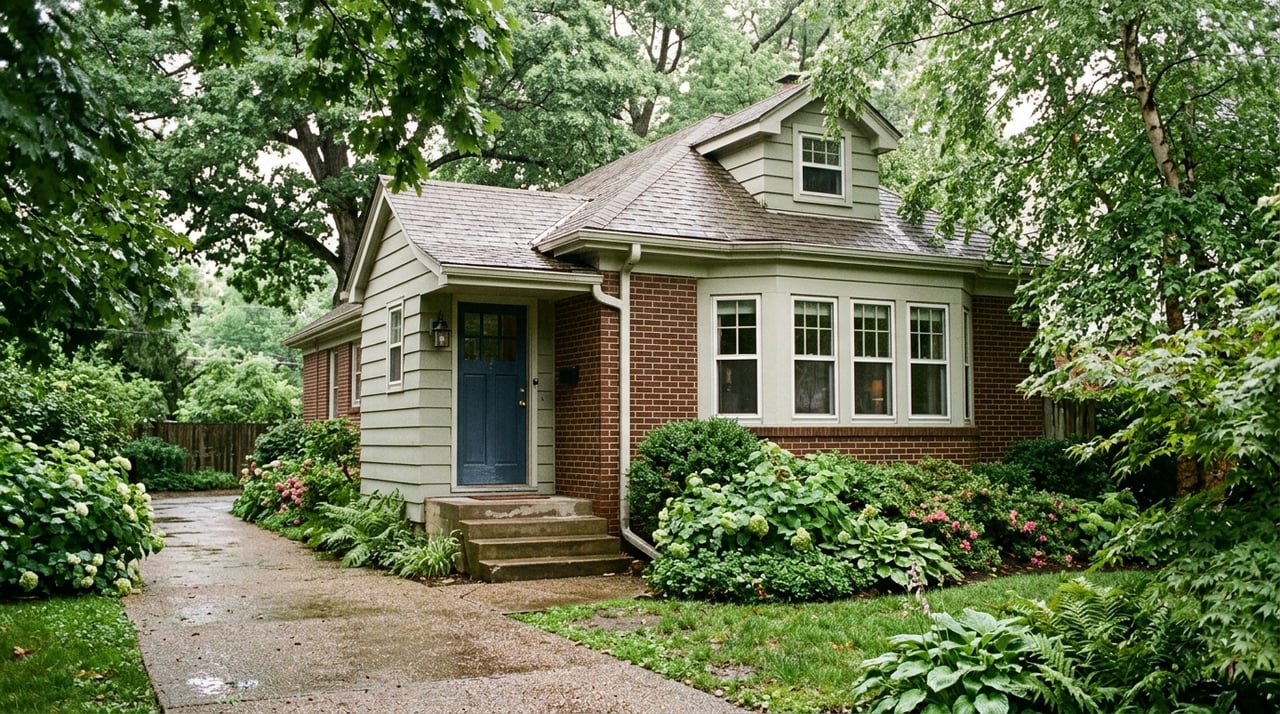
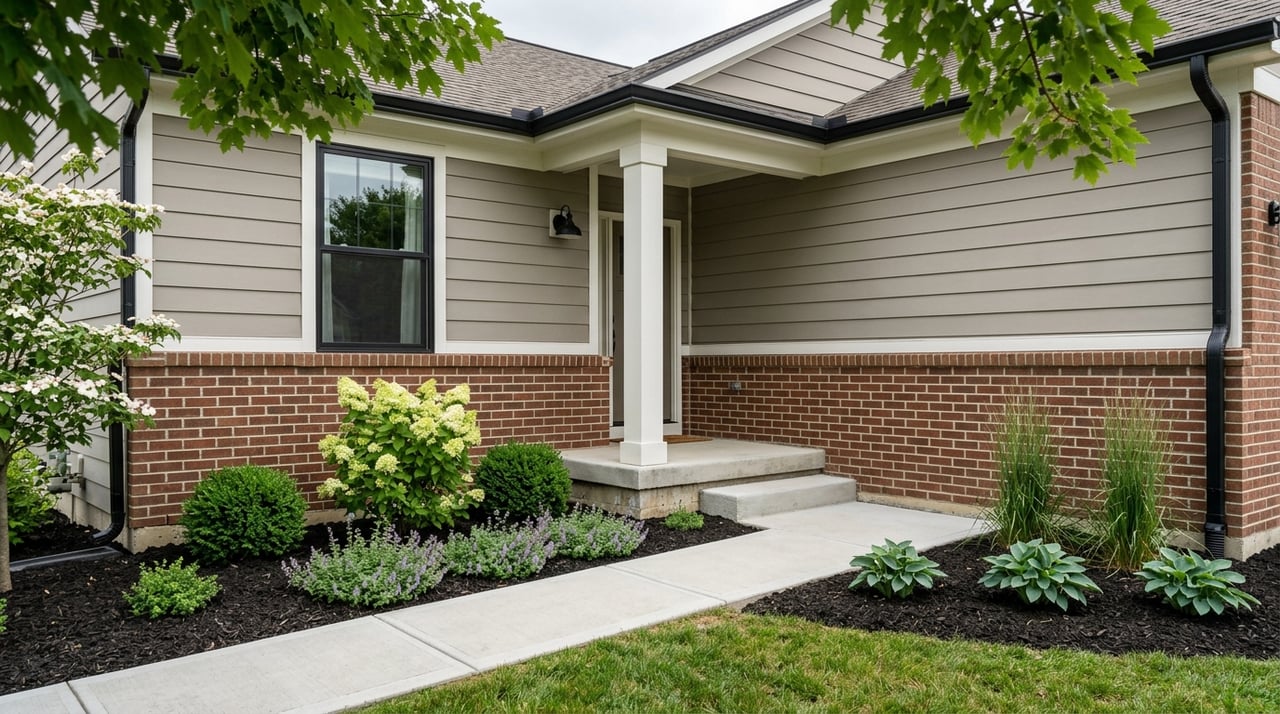
Ranches often appeal to buyers who want single-level living. Bungalows can offer charm and unique layouts. In Southgate, demand exists for both styles, and the impact is local. We first try to compare your home with same-style sales. If we must mix styles due to limited inventory, we rely on functional adjustments, such as the value of a main-level bedroom and bath or the utility of an upper half-story space, rather than assuming a style premium.
Pendings, actives, and seasonality
Pending sales show what buyers are agreeing to right now. We use them as forward-looking signals and weigh them more heavily when the market is changing quickly. If pendings run higher than recent closings and are truly comparable, we may support a more assertive list price.
Active listings are competition, not proof of value. We analyze features, time on market, and price changes to decide how to position your home.
Spring often brings more buyers, which can boost list-to-sale ratios and shorten days on market. We look at recent local MLS metrics for Southgate and the wider Wayne County area to see if conditions are heating up or cooling down. If demand is strong and inventory is tight, a competitive price can generate multiple showings quickly. If rates or employment shifts are dampening demand, we recommend a sharper, value-forward price to capture the best buyers early.
How we handle conflicting signals
Markets can send mixed messages. For example, closings from winter might look soft while several similar homes just went under contract at higher list prices. In these cases, we explain a realistic range and why the high end or low end is more likely. We also track days on market, showing activity, and price reductions to gauge liquidity. Transparency is key, so you know the “why” behind the recommendation.
What we need from you
Help us tell the most accurate story about your home. Before a CMA conversation, gather:
- A floor plan or accurate square footage documentation if available.
- A list of updates with dates, plus permits and receipts for major work.
- Clear interior and exterior photos that reflect current condition.
- Any inspection reports or notes about known issues.
- Any sales you believe are comparable. We will validate them against the MLS.
- Your timing and constraints, such as your next move or desired closing date.
Setting price expectations
We present value as a range, tied to specific comps and adjustments. Then we discuss list strategy. You can price competitively to move fast or test the market a bit higher and watch early feedback. We will recommend a path based on your goals, your micro-neighborhood data, and the competition.
A simple example of adjustments
Imagine your Southgate ranch has three bedrooms, one and a half baths, an unfinished basement, and a one-car garage on an interior street. A recent nearby sale is similar in size and condition but features a finished basement and a two-car garage. We would locate paired sales in the same micro-neighborhood that isolate the value of a finished basement and the garage difference. We would then adjust the comparable’s price downward for those features so it aligns with your home’s features. This allows us to weight that comp appropriately alongside other nearby sales and pendings.
Ready to price your Southgate home?
If you are planning a spring listing, an accurate CMA backed by local MLS data, county records, and permit verification can save you time and money. Our neighborhood-first approach, careful adjustments, and clear strategy help you choose a price that attracts strong buyers without leaving money on the table. When you are ready, reach out to schedule your free home valuation and local market consultation with Sarah Stoner.
FAQs
How long back do you look for Southgate comps?
- We start with the last 3 to 6 months in active markets and can extend to 6 to 12 months if sales are sparse, documenting why older sales still apply.
Do you mix ranch and bungalow comps in a CMA?
- We prioritize same-style comps. If inventory is limited, we use functional adjustments and paired-sales evidence to align different styles fairly.
How do pending sales affect my recommended price?
- Pendings are forward-looking signals. If they are truly comparable and trending above recent closings, we may support a more assertive list price while still watching early feedback.
Are online home value estimates reliable for Southgate?
- They can provide general context but often miss permit history, condition, and micro-neighborhood nuances. MLS and county records are more reliable for pricing.
Is spring the best time to sell my Southgate home?
- Spring often brings more buyer activity, but we also check current inventory, rates, and recent local metrics to decide whether to price more competitively or more aggressively.
What should I prepare before a pricing meeting?
- Gather a list of updates, permits and receipts, recent photos, any inspection reports, and your preferred timeline so we can tailor strategy to your goals.